Managing Business Waste in East London: Strategies for a Sustainable Future

A light blue plastic rubbish bin filled with crumpled white paper waste, placed on a checkered black and white tiled floor with a solid blue background. The paper inside the bin appears to be discarded office or household packaging and documents, with some papers sticking out unevenly from the top. The bin is situated indoors, likely in a kitchen or utility area, and shows no additional objects or waste items around it. The scene is well-lit, with clear visibility of the crumpled paper’s texture and the smooth, slightly matte surface of the bin, which is typical of standard waste collection receptacles used in East London for domestic or commercial rubbish removal services provided by Business Waste East London.

East London, a vibrant and bustling hub of commerce, is home to a myriad of businesses ranging from small startups to large enterprises. With this economic activity comes the inevitable generation of business waste, a challenge that many companies face today.

Effective waste management is not just a regulatory requirement but also a cornerstone of corporate responsibility. Businesses in East London are increasingly recognizing the importance of sustainable waste practices to minimize their environmental footprint.

In this article, we will explore the various aspects of business waste management in East London, offering insights and strategies to help companies streamline their waste processes.
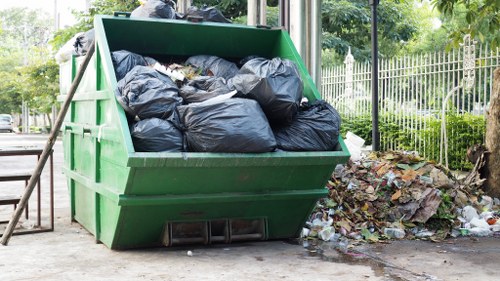
A large green dumpster filled with black refuse sacks is positioned on a paved area beside a metal railing and a tree, with some rubbish scattered on the ground nearby. The container appears to be made of metal with a ribbed texture, and the refuse sacks are tightly packed within, indicating waste collection for rubbish removal services. In the background, there are trees and a fence, suggesting an outdoor urban environment, possibly within East London. The scene is well-lit, likely during daytime, with a mix of natural sunlight and shadows. This image visually represents waste collection or rubbish disposal activities common to businesses in the East London area, as managed by companies such as Business Waste East London.

Understanding Business Waste

Business waste encompasses all types of waste generated by commercial activities. This includes:

  • **Office waste**: paper, electronics, and packaging materials.
  • **Industrial waste**: manufacturing scraps, chemicals, and by-products.
  • **Construction waste**: debris from building projects.

Properly categorizing and managing these waste types is essential for effective disposal and recycling.

Failure to manage business waste appropriately can lead to environmental degradation, legal penalties, and damage to a company’s reputation.

East London businesses must stay informed about the latest waste management regulations to ensure compliance and promote sustainability.

An outdoor scene featuring a black office chair with padded armrests and a cushioned seat, placed on a weathered wooden storage chest positioned against a concrete wall. Leaning on the chair is a coiled beige fabric or rope, and nearby there is a pile of construction debris including stacked concrete blocks, some dislodged, with white and gray broken tiles scattered on the ground. To the right, a stack of folded fabric or tarpaulin covers rests atop more concrete bricks, while behind this arrangement, a metal door or shutter is partially visible, indicating an industrial or back alley setting in East London where a waste removal service might operate. The ground appears to be concrete or asphalt, with dust and small debris present, and the lighting is natural, suggesting an overcast day typical of the region.

Regulations Governing Business Waste in East London

The UK has stringent regulations regarding waste management, and East London is no exception. Key regulations include:

  1. Waste Framework Directive: Establishes the basic concepts related to waste management, including definitions of waste, recycling, and recovery.
  2. Environmental Protection Act: Controls the disposal of waste and imposes penalties for non-compliance.
  3. Hazardous Waste Regulations: Specific guidelines for the handling and disposal of hazardous materials.

Compliance with these regulations is mandatory and requires businesses to implement proper waste segregation, storage, and disposal practices.

Non-compliance can result in hefty fines and legal actions, making it imperative for businesses to stay updated and adhere to these laws.

A woman with long brown hair, wearing a dark purple short-sleeved shirt with yellow trim, is placing a clear plastic bag filled with household waste into a green wheelie bin with an open lid. The bin is positioned on a paved outdoor area or driveway near a residential or commercial building with white walls and large windows. In the background, there are trees, bushes, and a park-like setting, indicating a suburban or urban environment in East London. The scene is illuminated by natural daylight, highlighting the textures of the plastic bag, the metallic lid, and the rough surface of the bin. This image illustrates waste disposal activity relevant to rubbish collection services provided by Business Waste East London, emphasizing environmentally responsible waste management practices for local businesses and residents.

Effective Waste Management Strategies

Implementing effective waste management strategies can lead to significant cost savings and environmental benefits. Here are some strategies businesses in East London can adopt:

  • Reduce: Minimizing waste generation by optimizing processes and reducing material usage.
  • Reuse: Finding ways to reuse materials within the business to extend their lifecycle.
  • Recycle: Properly segregating and recycling waste materials to conserve resources.

Adopting the 3Rs not only helps in managing waste efficiently but also promotes a culture of sustainability within the organization.

Moreover, investing in waste management infrastructure, such as recycling bins and compactors, can streamline the waste handling process.
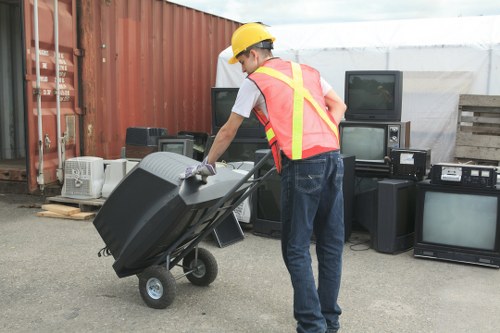
A waste management worker wearing a yellow safety helmet, white t-shirt, and high-visibility pink and yellow vest is pushing a grey wheeled waste bin on a paved surface. The bin appears to be made of plastic with a textured surface and is partially opened. Behind the worker, there is a shipping container with rusted metal doors on the left and a collection of old electronic appliances, including televisions and computer monitors, arranged against a white shelter or tent in the background. The environment suggests an outdoor waste collection or disposal site in East London, with natural daylight illuminating the scene. The worker is focused on handling the bin, indicating a rubbish removal or recycling activity typical of professional waste management services in the area, such as those provided by Business Waste East London.

Choosing the Right Waste Management Partner

Selecting a reliable waste management partner is crucial for businesses looking to outsource their waste handling needs. Factors to consider include:

  • **Reputation**: Look for companies with a proven track record in waste management.
  • **Services Offered**: Ensure they provide the specific services your business requires.
  • **Compliance**: Verify that they adhere to all local and national waste management regulations.
  • **Sustainability Practices**: Choose partners committed to environmentally friendly practices.

Working with the right partner can help businesses in East London achieve their waste management goals efficiently and sustainably.

It also ensures that waste is handled responsibly, reducing the overall environmental impact.

Innovative Solutions for Waste Reduction

A light blue plastic rubbish bin filled with crumpled white paper waste, placed on a checkered black and white tiled floor with a solid blue background. The paper inside the bin appears to be discarded office or household packaging and documents, with some papers sticking out unevenly from the top. The bin is situated indoors, likely in a kitchen or utility area, and shows no additional objects or waste items around it. The scene is well-lit, with clear visibility of the crumpled paper’s texture and the smooth, slightly matte surface of the bin, which is typical of standard waste collection receptacles used in East London for domestic or commercial rubbish removal services provided by Business Waste East London.

Adopting Technology in Waste Management

Technology plays a pivotal role in modern waste management. Businesses can leverage tools such as:

  • **Waste tracking software**: Monitors waste generation and disposal in real-time.
  • **Automated sorting systems**: Enhances the efficiency of waste segregation.
  • **Data analytics**: Provides insights into waste patterns to identify reduction opportunities.

Integrating technology into waste management processes can lead to more efficient operations and better resource allocation.

For East London businesses, investing in such technologies can provide a competitive edge in sustainability efforts.

Moreover, it facilitates compliance with regulatory requirements by ensuring accurate tracking and reporting of waste-related data.

A large green dumpster filled with black refuse sacks is positioned on a paved area beside a metal railing and a tree, with some rubbish scattered on the ground nearby. The container appears to be made of metal with a ribbed texture, and the refuse sacks are tightly packed within, indicating waste collection for rubbish removal services. In the background, there are trees and a fence, suggesting an outdoor urban environment, possibly within East London. The scene is well-lit, likely during daytime, with a mix of natural sunlight and shadows. This image visually represents waste collection or rubbish disposal activities common to businesses in the East London area, as managed by companies such as Business Waste East London.

Employee Engagement and Training

Employees play a critical role in the success of waste management initiatives. Effective strategies include:

  • Providing regular training on waste segregation and recycling practices.
  • Encouraging a culture of sustainability through incentives and recognition programs.
  • Engaging staff in sustainability projects and decision-making processes.

Empowered and informed employees are more likely to adhere to waste management protocols, leading to better outcomes.

In East London, fostering such an environment can significantly contribute to the overall waste reduction goals of a business.

Additionally, involving employees in sustainability efforts enhances job satisfaction and organizational commitment.

Benefits of Sustainable Waste Management

An outdoor scene featuring a black office chair with padded armrests and a cushioned seat, placed on a weathered wooden storage chest positioned against a concrete wall. Leaning on the chair is a coiled beige fabric or rope, and nearby there is a pile of construction debris including stacked concrete blocks, some dislodged, with white and gray broken tiles scattered on the ground. To the right, a stack of folded fabric or tarpaulin covers rests atop more concrete bricks, while behind this arrangement, a metal door or shutter is partially visible, indicating an industrial or back alley setting in East London where a waste removal service might operate. The ground appears to be concrete or asphalt, with dust and small debris present, and the lighting is natural, suggesting an overcast day typical of the region.

Environmental Benefits

Sustainable waste management practices offer numerous environmental benefits, including:

  • Reduction in landfill usage and associated greenhouse gas emissions.
  • Conservation of natural resources through recycling and reuse.
  • Prevention of pollution and habitat destruction.

By adopting these practices, businesses contribute to the preservation of the environment for future generations.

East London’s ecological landscape benefits significantly from reduced industrial waste and better-managed commercial waste streams.

Furthermore, sustainable practices help mitigate climate change by lowering carbon footprints.

A woman with long brown hair, wearing a dark purple short-sleeved shirt with yellow trim, is placing a clear plastic bag filled with household waste into a green wheelie bin with an open lid. The bin is positioned on a paved outdoor area or driveway near a residential or commercial building with white walls and large windows. In the background, there are trees, bushes, and a park-like setting, indicating a suburban or urban environment in East London. The scene is illuminated by natural daylight, highlighting the textures of the plastic bag, the metallic lid, and the rough surface of the bin. This image illustrates waste disposal activity relevant to rubbish collection services provided by Business Waste East London, emphasizing environmentally responsible waste management practices for local businesses and residents.

Economic Advantages

Effective waste management can lead to substantial economic benefits, such as:

  • **Cost Savings**: Reducing waste generation lowers disposal costs.
  • **Revenue Generation**: Recycling and selling recyclable materials can provide additional income streams.
  • **Incentives and Grants**: Access to government incentives for implementing sustainable practices.

Businesses in East London can leverage these advantages to improve their bottom line while promoting sustainability.

Moreover, efficient waste management can enhance operational efficiency, leading to long-term financial benefits.

Embracing sustainable practices also positions businesses favorably in the eyes of consumers and stakeholders.

Challenges in Business Waste Management

A waste management worker wearing a yellow safety helmet, white t-shirt, and high-visibility pink and yellow vest is pushing a grey wheeled waste bin on a paved surface. The bin appears to be made of plastic with a textured surface and is partially opened. Behind the worker, there is a shipping container with rusted metal doors on the left and a collection of old electronic appliances, including televisions and computer monitors, arranged against a white shelter or tent in the background. The environment suggests an outdoor waste collection or disposal site in East London, with natural daylight illuminating the scene. The worker is focused on handling the bin, indicating a rubbish removal or recycling activity typical of professional waste management services in the area, such as those provided by Business Waste East London.

High Initial Costs

Implementing comprehensive waste management systems can be costly initially. Expenses include:

  • Investment in recycling and waste processing equipment.
  • Training employees on new waste management protocols.
  • Hiring waste management professionals or services.

While the upfront costs may be significant, the long-term benefits often outweigh these initial investments.

For East London businesses, exploring financing options or government grants can help mitigate these expenses.

Additionally, phased implementation can spread costs over time, making the transition more manageable.

A light blue plastic rubbish bin filled with crumpled white paper waste, placed on a checkered black and white tiled floor with a solid blue background. The paper inside the bin appears to be discarded office or household packaging and documents, with some papers sticking out unevenly from the top. The bin is situated indoors, likely in a kitchen or utility area, and shows no additional objects or waste items around it. The scene is well-lit, with clear visibility of the crumpled paper’s texture and the smooth, slightly matte surface of the bin, which is typical of standard waste collection receptacles used in East London for domestic or commercial rubbish removal services provided by Business Waste East London.

Space Constraints

Urban areas like East London often face space limitations, making waste storage and management challenging. Solutions include:

  • Optimizing storage spaces with compactors and vertical shelving.
  • Implementing just-in-time waste collection to reduce onsite storage needs.
  • Partnering with local waste management firms for frequent pickups.

Effective space management ensures that waste does not become a hindrance to business operations.

Creative solutions can help businesses maintain cleanliness and efficiency despite limited space.

Additionally, utilizing shared waste facilities can alleviate individual space constraints.

Future Trends in Business Waste Management

A large green dumpster filled with black refuse sacks is positioned on a paved area beside a metal railing and a tree, with some rubbish scattered on the ground nearby. The container appears to be made of metal with a ribbed texture, and the refuse sacks are tightly packed within, indicating waste collection for rubbish removal services. In the background, there are trees and a fence, suggesting an outdoor urban environment, possibly within East London. The scene is well-lit, likely during daytime, with a mix of natural sunlight and shadows. This image visually represents waste collection or rubbish disposal activities common to businesses in the East London area, as managed by companies such as Business Waste East London.

Circular Economy

The circular economy model emphasizes the reuse and recycling of materials, minimizing waste generation. Key aspects include:

  • Designing products for longevity and recyclability.
  • Establishing take-back programs for used products.
  • Encouraging collaboration between businesses to share resources.

Adopting a circular economy approach can transform waste into valuable resources, fostering sustainability.

East London businesses are increasingly exploring circular economy principles to enhance their sustainability efforts.

This model not only benefits the environment but also offers economic opportunities through resource efficiency.

An outdoor scene featuring a black office chair with padded armrests and a cushioned seat, placed on a weathered wooden storage chest positioned against a concrete wall. Leaning on the chair is a coiled beige fabric or rope, and nearby there is a pile of construction debris including stacked concrete blocks, some dislodged, with white and gray broken tiles scattered on the ground. To the right, a stack of folded fabric or tarpaulin covers rests atop more concrete bricks, while behind this arrangement, a metal door or shutter is partially visible, indicating an industrial or back alley setting in East London where a waste removal service might operate. The ground appears to be concrete or asphalt, with dust and small debris present, and the lighting is natural, suggesting an overcast day typical of the region.

Advancements in Recycling Technologies

Technological advancements are revolutionizing recycling processes. Innovations include:

  • **Automated sorting machines**: Improve the accuracy and speed of waste segregation.
  • **Chemical recycling**: Breaks down plastics into their raw materials for reuse.
  • **Biodegradable materials**: Reduce the reliance on traditional plastics and facilitate easier recycling.

These technologies enhance the efficiency and effectiveness of recycling efforts, making sustainable practices more attainable.

For businesses in East London, investing in advanced recycling technologies can lead to higher recycling rates and reduced waste.

Staying updated with these advancements ensures that businesses remain competitive and compliant with evolving regulations.

Conclusion

A woman with long brown hair, wearing a dark purple short-sleeved shirt with yellow trim, is placing a clear plastic bag filled with household waste into a green wheelie bin with an open lid. The bin is positioned on a paved outdoor area or driveway near a residential or commercial building with white walls and large windows. In the background, there are trees, bushes, and a park-like setting, indicating a suburban or urban environment in East London. The scene is illuminated by natural daylight, highlighting the textures of the plastic bag, the metallic lid, and the rough surface of the bin. This image illustrates waste disposal activity relevant to rubbish collection services provided by Business Waste East London, emphasizing environmentally responsible waste management practices for local businesses and residents.

Managing business waste in East London is a multifaceted challenge that requires strategic planning and commitment to sustainability. By understanding the types of business waste, adhering to regulations, and implementing effective waste management strategies, businesses can significantly reduce their environmental impact.

Embracing innovative solutions, engaging employees, and choosing the right waste management partners further enhances these efforts. Despite challenges such as high initial costs and space constraints, the long-term benefits of sustainable waste management are undeniable, both environmentally and economically.

As the future trends like the circular economy and advanced recycling technologies continue to evolve, businesses in East London have ample opportunities to lead the way in sustainability. Adopting these practices not only ensures compliance but also positions businesses as responsible and forward-thinking entities.

Contact us today to discover how we can help your business implement effective waste management solutions in East London.

Book your service now and take the first step towards a more sustainable and efficient waste management system.

Frequently Asked Questions

We utilize state-of-the-art waste sorting and recycling machinery to ensure efficient and environmentally friendly disposal. Our team is trained in the latest industry practices, allowing us to handle all types of business waste safely and effectively. Contact our team for a quick quote and experience our professional waste management solutions.

Yes, we are accredited by leading industry bodies such as ISO and the Environmental Protection Agency. These accreditations reflect our commitment to maintaining high standards in waste management. Trust our accredited services to handle your business waste responsibly.

Absolutely. We are fully certified and insured to manage business waste in compliance with all legal requirements. Our certifications ensure that we adhere to strict safety and environmental standards, giving you peace of mind. Reach out to us to learn more about our certified waste management services.

We proudly recycle over 80% of the business waste we handle, demonstrating our strong commitment to environmental responsibility. Our recycling processes help reduce landfill use and promote sustainability. Choose our services to enhance your company's eco-friendly practices.

With over 20 years of experience in the waste management industry, we have a proven track record of delivering reliable and effective business waste solutions. Our expertise ensures that your waste is managed efficiently and safely. Contact us to benefit from our extensive experience.

Yes, we offer competitive and flexible pricing tailored to meet the budgets of small businesses. Our affordable waste management solutions ensure that you receive high-quality service without breaking the bank. Get in touch for a customized quote that fits your needs.

Safety is our top priority. We follow strict safety protocols and use advanced equipment to handle and dispose of waste securely. Our trained professionals are committed to minimizing risks and ensuring a safe environment for your business. Learn more about our safety measures by contacting us today.

Yes, we are a licensed and trusted waste management provider serving your area. Our local presence ensures prompt and reliable service tailored to your business needs. Trust our licensed professionals to handle your waste with care and expertise.

We adhere to the highest ethical standards, including transparency in our operations, responsible recycling, and minimizing environmental impact. Our commitment to ethical practices ensures that your business waste is managed responsibly and sustainably. Partner with us for ethical waste management solutions.

Certainly! We have a long list of satisfied clients and success stories that demonstrate our reliability and excellence in waste management. Feel free to request references or review our testimonials to see why businesses trust us with their waste needs.

We believe in complete transparency. Our pricing is straightforward with no hidden fees, and we clearly outline the services included. This ensures you know exactly what to expect and can budget accordingly. Contact us for a detailed and transparent quote.

Our comprehensive approach, experienced team, and commitment to sustainability set us apart. We offer tailored solutions, competitive pricing, and exceptional customer service to meet your unique waste management needs. Choose us as your trusted partner for the best business waste services.
Business Waste East London

Explore effective strategies for managing business waste in East London, ensuring sustainability, compliance, and economic benefits through innovative solutions and best practices.

Book Your Service Now

Get In Touch With Us.

Please fill out the form below to send us an email and we will get back to you as soon as possible.